Bnode Brand Architecture and Identity
Type
Brand Management
Role
Brand and Guidelines Manager
The Challenge
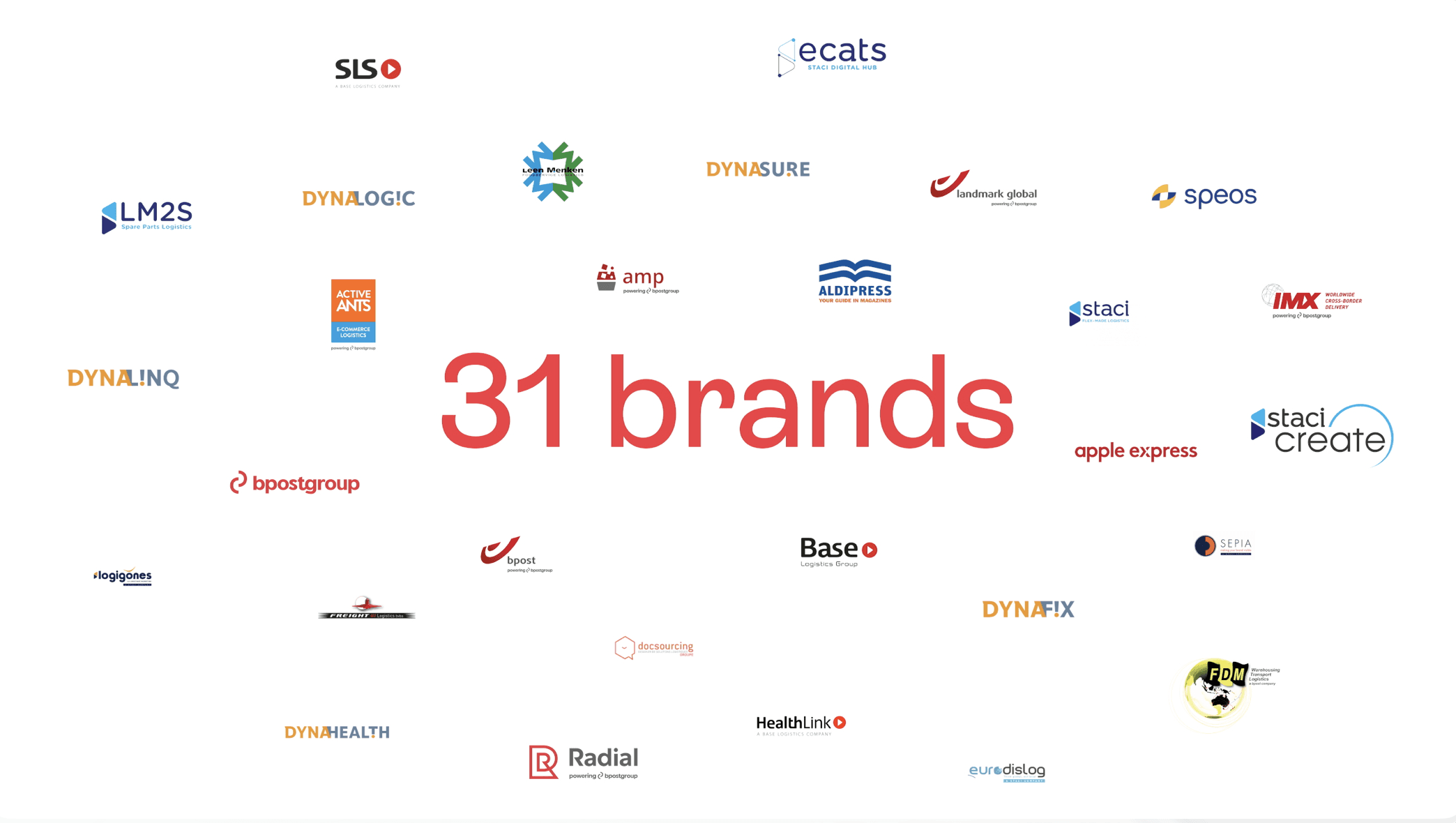
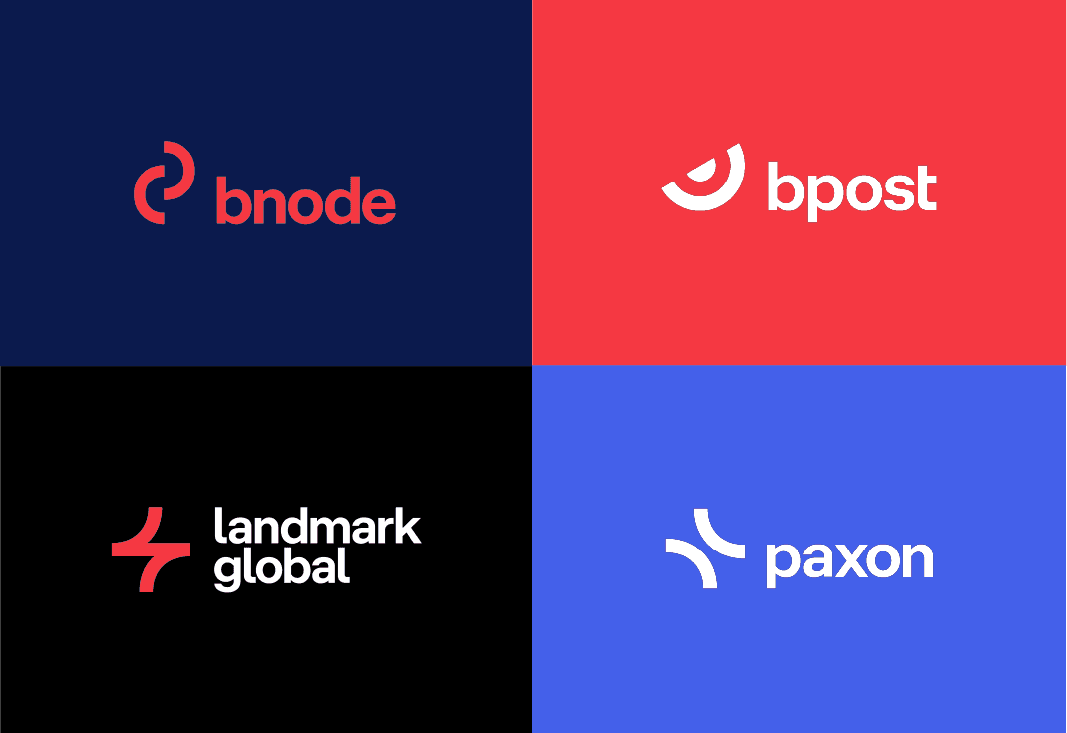
Bpostgroup, a Belgian logistics group operating across 25 markets, had accumulated over 30 brands through years of acquisitions and expansion. The architecture had become a liability: expensive and inefficient to maintain internally, and nearly impossible to communicate externally. As the company's strategy shifted toward more integrated service offerings, the fragmented brand portfolio was getting in the way. The objective was to reduce 31 brands to 4, strengthen each one, and build a structure that could support a unified group strategy.
The Solution
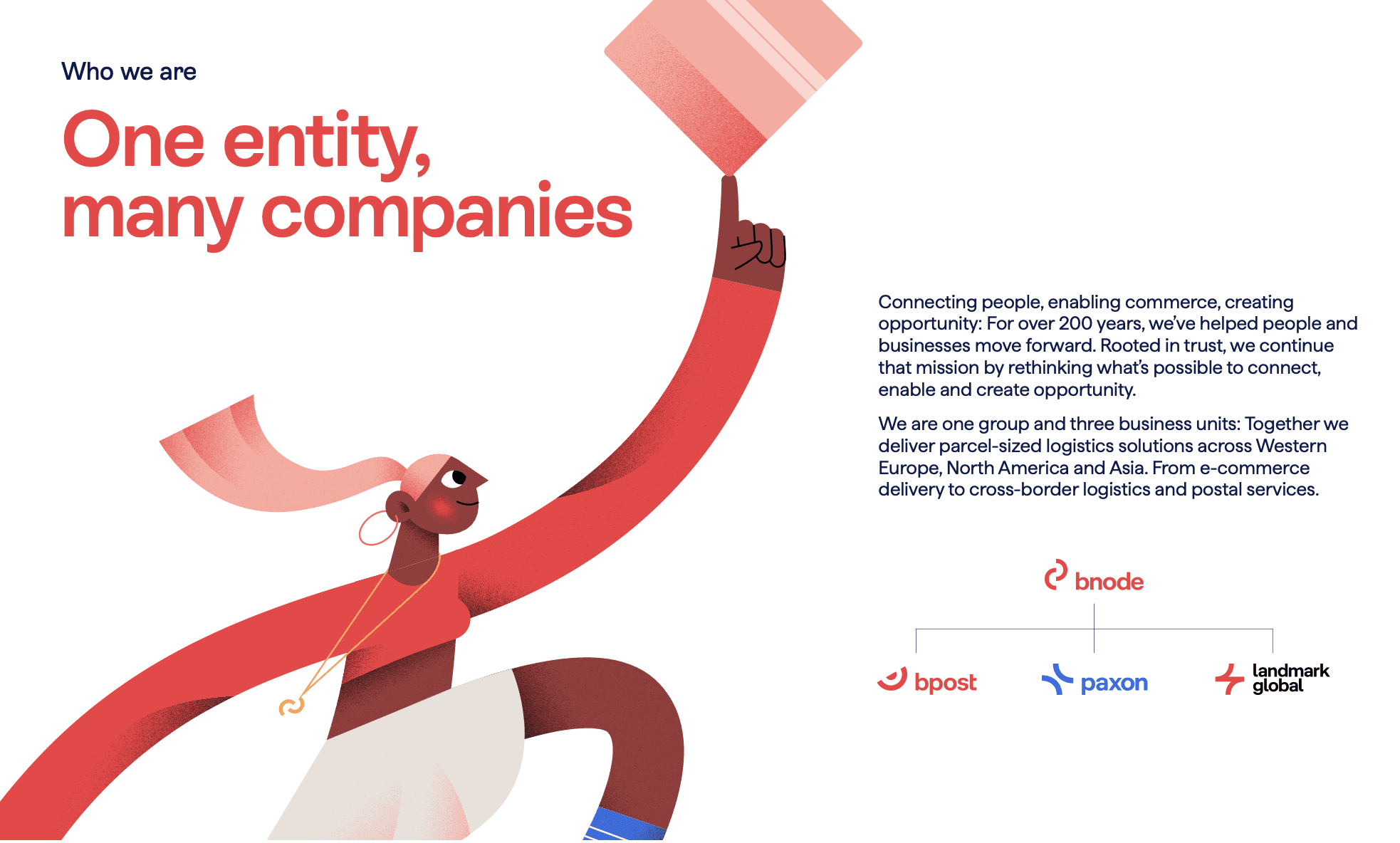
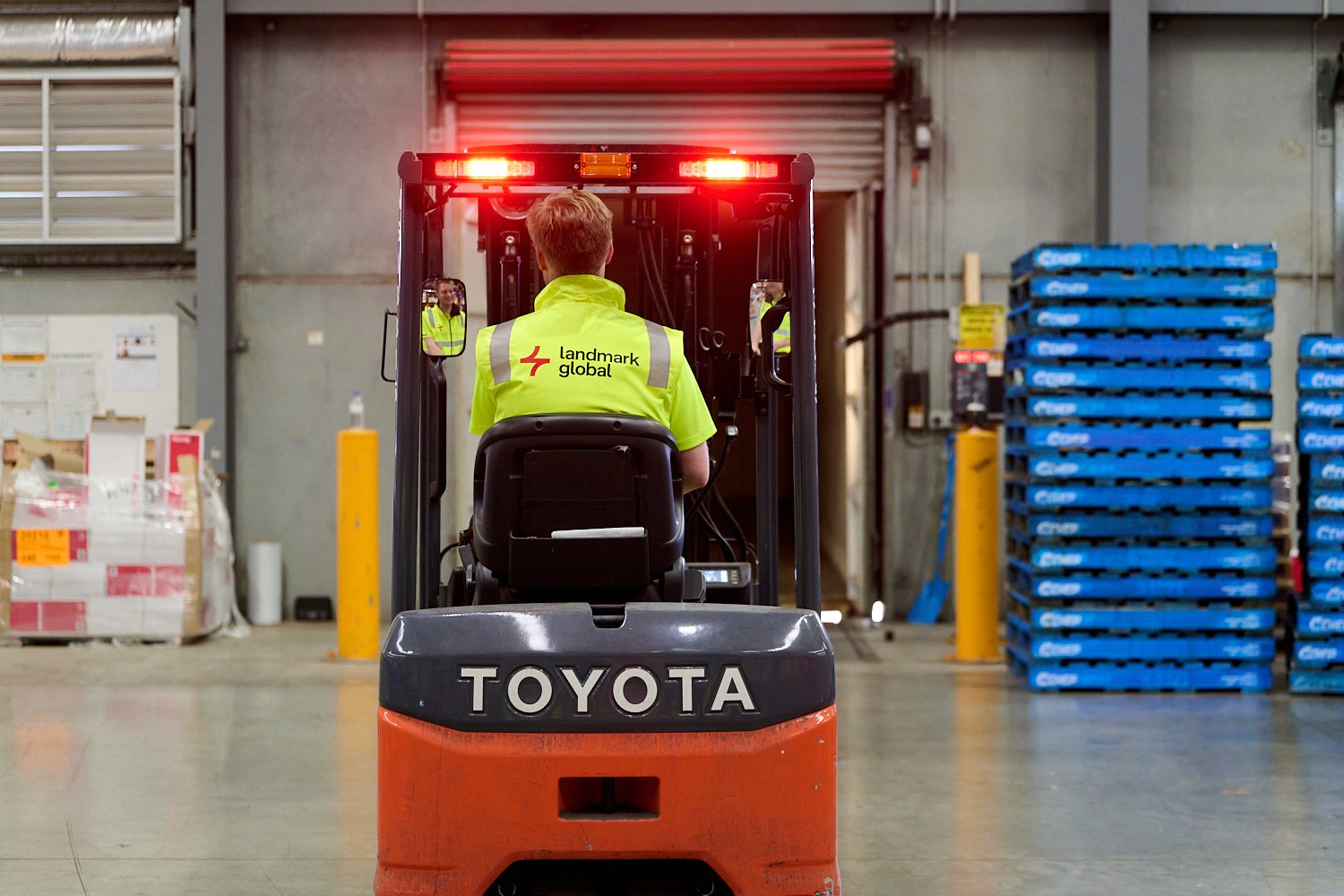
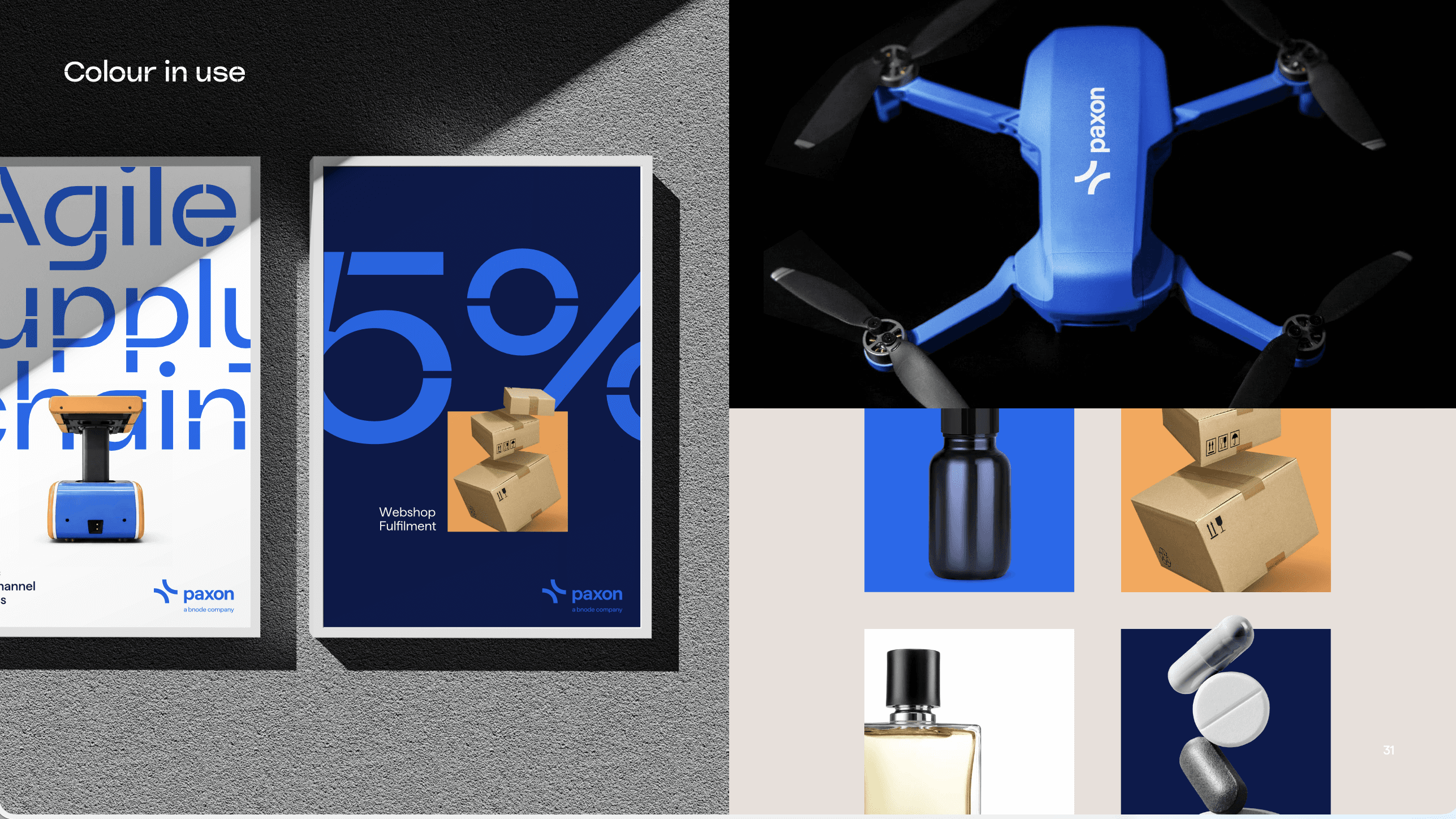
As Brand Design & Guidelines Manager and the design lead within a brand team of project managers, I bridged strategy and execution: contributing to the brief, directing the design agency on visual identity, and overseeing production of all brand assets across the portfolio. The new architecture introduced four brands, each requiring a different approach. Bnode, the renamed group holding company, was built around the concept of a node: a connection point, modular and scalable. Bpost, carrying significant existing equity, was modernised and consolidated. Landmark Global was simplified and refreshed. Paxon, the new 3PL brand, was built entirely from scratch, from name, to identity, and positioning. The programme runs on a phased timeline. Bnode launched December 2025, with the other three brands to follow afterwards.